Let’s be straight: if you’re a business owner who’s ever thought about working with the federal government, you've probably heard something about the GSA Schedule and promptly ignored it because, well, it sounds like a bureaucratic maze, right?
Totally fair. But here’s what most people miss: behind that dull government label lies a surprisingly powerful tool. A tool that could mean the difference between scrambling for your next client... and having a steady stream of government contracts lined up.
So, what's the catch? There is one it takes time. It takes paperwork. But if you’ve got a good product or a solid service and a bit of business history under your belt, then the GSA Schedule isn’t out of reach. In fact, it might be exactly the doorway you’ve been looking for.
Let’s strip away the jargon and talk about what this really is.
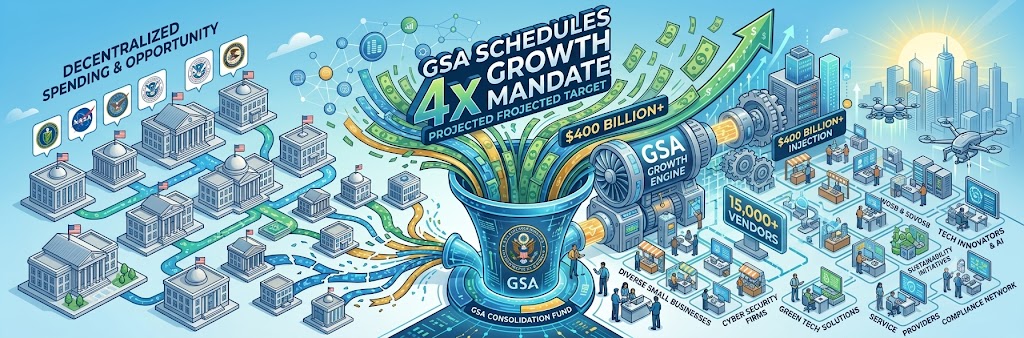
Let’s not overcomplicate it. The GSA Schedule, more formally known as the General Services Administration Multiple Award Schedule, is a long-term contract between your business and the federal government.
Imagine this: instead of competing every single time an agency needs what you sell, you’ve already been vetted. Your prices are set. The buying process is faster, smoother, and with fewer hoops to jump through—for both sides.
You're not guaranteed sales, sure. But your business gets listed in an exclusive catalog where thousands of agencies shop daily. No cold calls, no begging for attention. You're on the shelf.
And in a marketplace that spends hundreds of billions a year? That shelf space matters.
Here’s the thing. Government contracts don’t dry up in recessions. They don’t ghost you after a great call. They don’t “circle back next quarter.” The federal government buys consistently—and in bulk.
So why wouldn’t you want in?
A few reasons businesses chase the GSA Schedule:
Pre-approved pricing means faster sales.
Contracts can last years—not weeks.
Government buyers are trained to trust Schedule vendors.
Less competition per sale—only GSA holders can bid.
And perhaps most important: once you land one agency, others start to notice. Momentum builds.
You don’t need to be a household name or have federal lobbying connections. But you do need to be real.
The GSA isn’t in the habit of gambling on unproven vendors. So before you apply, you’ll need:
Two years of business operations (this one’s non-negotiable)
Commercial sales experience (show you've sold what you’re offering)
Financial documentation proving you can handle big orders
Past performance references from clients or partners
If you’ve got a track record—even a modest one—you’re already further along than you might think.
This is where it gets interesting. The range of approved categories under the GSA Schedule is far broader than most people assume. It’s not just tech companies or office suppliers.
You can apply under categories like:
IT services and software
Human resources consulting
Medical equipment and supplies
Building maintenance
Training and educational services
Security and surveillance systems
Marketing and public affairs
Basically, if a federal agency might need it—and it’s sold commercially—you could have a place under the GSA Schedule.
Getting on the Schedule isn’t something you finish over a long weekend. But it’s also not some impossible task reserved for giant corporations. It just takes focus and some patience.
Register in SAM.gov
This is the starting line. It's where all vendors go to get recognized as legit by the government.
Identify your NAICS codes
These codes define your industry. Pick the right one or two that reflect your core business.
Gather documents
Past invoices, commercial pricing, financials, performance references—it’s all part of the GSA’s vetting process.
Submit through the eOffer system
Once you've compiled your full offer package, you send it digitally to the GSA for review.
Answer clarifications and negotiate terms
This back-and-forth with a GSA contracting officer may take weeks or months. Be responsive and organized.
Get awarded
If all goes well, your contract is approved—and now you’re a GSA Schedule holder.
It’s not short. But it’s clear-cut. You follow the steps, check every box, and you’re in.
Now here’s the part folks often forget: getting the GSA Schedule is only the beginning.
Once you’re listed, it’s your job to make sure people see you—and buy from you.
A few key tips:
List your offerings on GSA Advantage!, the government’s shopping portal
Watch for RFQs, or Requests for Quotes, within your category
Reach out to agency buyers who use your type of service
Update your pricing and offerings when needed (yes, there are rules)
Hit your minimum sales threshold (typically $25,000 in the first two years)
Plenty of vendors get their Schedule and sit idle. Don’t be one of them.
Here’s the real question, right? Is all this trouble worth it?
If your goal is short-term sales with minimal friction, maybe not. But if you're aiming for long-term, stable revenue—and can afford the upfront investment of time and resources—the GSA Schedule can change your entire game.
There are vendors out there who quietly generate millions a year through government contracts they don’t even advertise. They started right here—with a single GSA Schedule contract.
1. Do you have to be a big company to get approved?
Not at all. Small businesses are actually encouraged to apply. The key is being organized and established.
2. Does a GSA Schedule guarantee sales?
No. It just gives you access. You still have to market and build relationships.
3. Can a brand-new startup apply?
Typically no. You’ll need at least two full years of operational and financial history.
4. How long does it take to get on the Schedule?
Anywhere from six months to a year. It depends on how prepared you are and how busy the reviewers are.
5. Is the application free?
The process itself doesn’t cost money, but you might pay for support, digital certificates, or legal help.
The GSA Schedule isn’t just some red-tape program for insiders. It’s a clear, accessible system that opens doors to real, serious buyers across federal, state, and even local levels.
But—and this is key—it only works if you treat it like the business channel it is. Getting approved is step one. Using it strategically is where the wins happen.
If you’ve ever wanted to make government sales part of your revenue stream without drowning in bids or waiting for referrals, the GSA Schedule might just be your move.

 IT Reality Check.jpeg)